

Understanding Enterprise Risk Management
🔍 Explore how Enterprise Risk Management (ERM) helps Kenyan businesses identify, assess, and manage risks effectively for stronger growth and stability.
Edited By
Charlotte Hughes
Risk management is steadily gaining traction in Kenyan businesses, not just as a buzzword but a practical necessity. Companies across Nairobi, Mombasa, and beyond are realising the value of spotting potential risks early to avoid costly setbacks. This trend opens diverse career options for professionals who can help organisations foresee and handle threats ranging from financial loss to cybersecurity breaches.
In Kenya's dynamic economic environment—with its mix of multinational firms, banks, insurance companies, and growing fintech players—the need for skilled risk managers is clearer than ever. Jobs in this field span from risk analysts who scrutinise data and trends, to risk officers directly advising on policy and procedures, and compliance specialists ensuring organisations meet legal requirements.

Risk management isn’t just about defence; it’s a strategic role that helps businesses grow safely amidst uncertainties.
For traders and investors, understanding risk helps in making informed decisions, contributing directly to their success. Meanwhile, analysts and brokers rely on risk evaluation to guide clients and comply with regulatory bodies like the Capital Markets Authority (CMA). Educators can also find their place by training the next generation of risk professionals, especially within Kenya's burgeoning higher education and TVET (Technical and Vocational Education and Training) sectors.
With job openings scattered across government agencies, private banks, insurance firms such as Jubilee and Britam, and telecommunication giants like Safaricom, securing a role requires not just qualifications but distinct skills. These include analytical thinking, knowledge of Kenyan financial regulations, and familiarity with tools like Excel, risk assessment software, and sometimes coding basics for data analysis.
Whether you are shifting careers or fresh from university through KUCCPS admission channels, recognising where risk management fits in Kenya's professional landscape helps you plan realistically. The path demands patience and continual learning but promises opportunities in a field that’s increasingly shaping how business runs in Kenya.
Understanding risk management roles is key for anyone looking to work in this field in Kenya. These roles help businesses anticipate challenges and protect themselves from losses. In a country where economic shifts and regulatory changes can happen fast, having skilled people managing risk is a must.
Risk management means identifying, assessing, and taking steps to minimise risks that can hurt a business. It isn’t just about avoiding losses but also about making smart decisions that keep organisations on track. For example, a Kenyan agribusiness might assess weather patterns and pest outbreaks to protect its harvest and investments.
Kenyan businesses face many risks, such as political instability, currency fluctuations, credit defaults, and cyber threats. These risks vary from one sector to another; for instance, financial institutions are very concerned with credit and market risks, while manufacturing firms worry about operational disruptions and regulatory compliance.
Good risk management supports sustainability by enabling firms to plan for uncertainties and respond swiftly when problems arise. It helps maintain customer trust and ensures regulatory requirements are met. Consider a mobile money company—managing fraud risk helps maintain user confidence and avoids hefty penalties.
Risk Analyst roles focus on collecting and analysing data to understand potential risks. They prepare reports that help management spot trends and weaknesses. For example, a risk analyst in a Kenyan bank might examine loan portfolios to identify loans likely to default.
A Risk Manager supervises the whole risk process and coordinates teams handling various risks. They develop policies and strategies to limit exposure. In insurance companies, risk managers might oversee claims data to adjust premiums and reduce losses.
Compliance Officers ensure organisations follow laws and regulations. They monitor practices and train staff on compliance standards. For a telecom firm in Kenya, a compliance officer prevents breaches related to customer data protection laws.
Credit Risk Officers specialise in evaluating borrowers to minimise loan defaults. They assess creditworthiness using financial statements and credit histories. For commercial banks, credit risk officers play a vital role in granting loans that do not hurt the bank’s financial health.
Operational Risk Specialists focus on risks arising from internal processes, systems, or human error. In manufacturing, they work to reduce accidents or machinery failures that could halt production or harm employees.
Each role contributes uniquely but shares the goal of safeguarding the organisation’s assets and reputation. Kenyan businesses increasingly see the value in these jobs, offering promising career paths for those with the right skills.
Building a career in risk management begins with understanding the key skills and qualifications employers expect. These elements equip you to assess and manage risks effectively, helping organisations avoid costly mistakes and remain competitive. For Kenyan traders, investors, and analysts, having the right background and abilities can set you apart in this growing field.
Degrees in finance, economics, and business are especially relevant in risk management careers. These academic paths provide a good grasp of financial principles, market behaviour, and economic trends, all crucial when assessing risks in Kenyan banks or investment firms. For instance, a finance degree will help you understand credit risk, while economics aids in recognising broader market vulnerabilities.
Professional qualifications such as Certified Risk Manager (CRM), Financial Risk Manager (FRM), or Certified Enterprise Risk Analyst (CERA) add significant value. These certifications demonstrate your specialised knowledge and commitment, enhancing your credibility with employers like Safaricom or local insurance firms. They also keep you updated on global best practices and regulatory standards, which is vital since Kenya’s business environment often adapts to international norms.
Data analysis and interpretation stand at the core of risk management roles. The ability to sift through large datasets—for example, customer credit histories or market price trends—and draw meaningful conclusions helps organisations predict and prepare for risk exposures. Using tools like Excel or more advanced statistical software ensures your assessments are accurate and timely.
Familiarity with risk assessment software is another technical skill that opens doors. Systems like SAS Risk Management or Moody’s Analytics aid in quantifying risks and running scenario analyses. In Kenya, where digital adoption is accelerating, knowing how to use localised risk management platforms or general-purpose software cleverly can boost your efficiency and decision quality.
Communication and decision-making skills are equally crucial. Risk managers must explain complex risk scenarios in simple terms to stakeholders who may not have technical backgrounds, such as board members or clients. Besides, swift, informed decisions on risk mitigation often mean the difference between loss and survival, particularly in volatile sectors like agriculture or manufacturing.
Effective risk management depends not only on technical know-how but also on clear communication and sound judgement.
In short, if you’re aiming at risk management jobs in Kenya, getting the right education and sharpening both your technical and interpersonal skills will make you well-prepared to meet employer demands and thrive in this expanding sector.

Locating the right opportunities in risk management is essential for building a solid career. Knowing where to find these jobs helps you target industries and platforms where your skills will be most valued. It also allows you to tap into the right networks and increase your chances of landing a role that matches your expertise. Kenyan organisations in various sectors now require risk management professionals, creating diverse openings across the economy.
The banking sector remains one of the largest employers of risk management officers in Kenya. Banks like Equity, KCB, and Co-operative Bank continually face credit risk, market risk, and operational risk challenges, requiring teams to assess and mitigate threats daily. For example, a credit risk officer in these banks evaluates borrowers to limit defaults, helping safeguard the bank’s loan portfolio.
Apart from traditional banks, microfinance institutions and fintech companies are also expanding their risk teams to cover digital lending and mobile money fraud risks. This sector offers roles focusing on analytics, compliance, and fraud detection, making it a hot spot for job seekers.
Insurance firms such as Britam, Jubilee, and CIC depend heavily on risk management to underwrite policies and manage claims. Actuaries and risk managers work together to price risks accurately and ensure that the company remains solvent even when faced with large claims.
Operational risk specialists in insurance monitor potential internal failures like system breakdowns or fraud, which can cost the firm heavily. This sector offers stable risk management roles, especially for candidates with knowledge in actuarial science or insurance law.
Telcos including Safaricom and Airtel Kenya face risks from data breaches, service disruptions, and regulatory compliance. Risk managers in this industry develop strategies to protect customer data and maintain service reliability, both of which are critical for customer trust and retention.
As competition intensifies and digital services expand, telecom companies invest in risk experts who can identify cybersecurity threats and help the company comply with the Communications Authority regulations. This gives job seekers chances to work in cybersecurity and compliance roles within risk.
Public agencies involved in oversight — such as the Capital Markets Authority (CMA), Central Bank of Kenya (CBK), and the National Transport and Safety Authority (NTSA) — need risk professionals to help design regulations that protect consumers and markets.
Risk roles here often involve policy analysis and enforcement related to financial transactions, transport safety, or public health. These positions might appeal to professionals interested in public service who want to shape sector-wide risk mitigation frameworks.
Kenya's manufacturing and agriculture sectors face unique operational risks ranging from supply chain disruptions to weather-related crop failures. Companies in these areas employ risk managers to oversee production risks, health and safety compliance, and market pricing volatility.
For instance, an agricultural company might hire a risk analyst to forecast risks linked to the long rains season or commodity price changes. Likewise, manufacturing firms require professionals to ensure factory safety and continuous operations.
These platforms are common starting points for candidates. BrighterMonday and Fuzu frequently post openings in risk management across various Kenyan cities. They provide filters to narrow searches to specific roles and allow job seekers to submit CVs directly.
Besides job listings, these sites occasionally offer career advice and assessments helping applicants align their skills with market needs. Regularly checking these boards keeps you updated on new openings especially in dynamic sectors like fintech and telecom.
Many companies advertise vacancies on their official websites alongside corporate career pages. Banks, insurance firms, and even manufacturing companies like Bidco often use this channel to reach professionals directly.
LinkedIn is also vital for job seekers. It enables you to follow companies, apply for advertised roles, and connect with current employees who may share insider information or referrals. Building a polished LinkedIn profile showcasing relevant certifications such as Certified Risk Manager (CRM) makes you stand out.
Joining groups such as the Institute of Risk Management Kenya (IRMK) or attending local seminars can open doors not advertised publicly. Networking helps you hear about unadvertised jobs and gain mentorship from experienced risk professionals.
Professional meet-ups and conferences foster learning and often include sessions on new regulations, tools, and trends affecting Kenya’s risk landscape. These gatherings are practical for building long-term professional relationships crucial for career development.
Staying aware of where to find risk management jobs in Kenya not only optimises your job search but also keeps you ahead in a competitive market where timely information is often the key to success.
Career growth in risk management is not just about climbing the ladder; it’s about building expertise and expanding influence within organisations. Kenyan professionals can expect clear progression routes from entry-level roles up to senior management positions, provided they sharpen their skills and adapt to emerging risks.
Most risk management careers in Kenya start with roles such as risk analyst or junior compliance officer. In these positions, you typically focus on data gathering, identifying potential threats, and supporting risk assessments. It is common for professionals to advance to risk manager roles where they oversee comprehensive risk strategies and coordinate teams. For example, a risk analyst at a Nairobi-based bank might progress over five years to become a risk manager responsible for credit and operational risk across the institution.
Advancement often continues towards senior roles like Chief Risk Officer (CRO) or Head of Risk, where you influence company-wide decisions and report directly to the board. This path usually requires demonstrated success in managing risks effectively, strong leadership skills, and strategic vision adapted to Kenya’s evolving business landscape.
Mentorship and continuous learning play a big role here. Kenya’s dynamic market means regulations and risk types change rapidly, so professionals who engage in mentorship opportunities and keep updating their skills usually move faster. Learning through courses, certifications like the Financial Risk Manager (FRM), or practical exposure in financial institutions helps build crucial insights and confidence.
As the risk management field grows, moving into specialised areas has become a smart career move. Cyber risk is one such area gaining prominence in Kenya due to rising digital transactions and cyber threats targeting banks, telecoms, and e-commerce platforms. Specialising in cyber risk equips you with knowledge on IT vulnerabilities, incident response, and regulatory compliance. This niche can lead to roles like Cyber Risk Officer or Information Security Risk Manager, which often offer higher pay and growing demand.
Another advancement path involves taking on cross-functional roles that combine risk management with compliance or audit functions. For instance, an individual might simultaneously manage risk assessments while ensuring adherence to KRA tax regulations or Central Bank of Kenya policies. This diversification not only broadens your skill set but also increases your value within an organisation by enabling you to look at risk from multiple angles.
Developing a well-rounded portfolio through specialisation and cross-functional experience can open doors to senior leadership positions and make you indispensable in Kenya’s competitive job market.
In summary, career growth in risk management in Kenya is achievable through clear progression, ongoing learning, and smart specialisation. By taking advantage of mentorship and diversifying your skills, you can stay relevant and rise steadily in this vital sector.
Understanding the challenges and rewards in risk management careers helps you see the full picture before stepping into this field. It's a balancing act between keeping ahead of risks and enjoying the benefits that come with playing a key role in safeguarding businesses. For those in Kenya’s dynamic economy, risk management offers both demanding hurdles and solid rewards.
Regulations in Kenya often shift, especially in finance, insurance, and telecom sectors where risk management is critical. Professionals must regularly update their knowledge to comply with new laws from bodies like the Capital Markets Authority (CMA) or the Central Bank of Kenya (CBK). For example, changes in anti-money laundering (AML) rules require vigilance so a bank's risk practices remain compliant and avoid fines.
Adapting quickly can be tough, as these changes may come with short notice and complex requirements. Staying on top ensures companies don’t face legal risks, but it also means frequent training and adapting policies.
Risk managers often confront situations involving multiple, interconnected problems — from cyber threats linked with operational failures to credit risks tied to market instability. Dealing with such complexity means analysing diverse data and predicting consequences under uncertain conditions.
For instance, a telecommunications firm might face risks of service disruption due to cyberattacks and simultaneous infrastructure faults. Managing these overlapping risks needs careful planning and coordination across departments, which can be challenging but crucial to maintain business continuity.
One key challenge is finding the middle ground between protecting the company and enabling growth. While risk managers aim to minimise threats, they must also support decision-making that drives profits and expansion.
For example, risk officers in Kenyan banks may need to approve lending to clients with imperfect credit history but promising business plans. Balancing caution with opportunity requires clear communication and judgement to align risk appetite with company goals.
Risk management remains a steady career choice in Kenya due to firms' increasing focus on compliance and risk mitigation. As new regulations emerge and businesses expand, demand for skilled professionals grows.
Whether in Nairobi banks or agricultural exporters in Eldoret, risk management roles offer stable employment. This security appeals especially to those looking to build a long-term career with steady growth prospects.
Risk management professionals often work closely with top management, advising on major strategic moves. Their insights shape policies on investments, lending, and operations.
For instance, a risk analyst in a Nairobi insurance company might influence product pricing or claims protocols. This direct impact on how a company steers itself gives a sense of purpose beyond routine tasks.
Given their critical role, experienced risk managers in Kenya can command competitive salaries, especially in sectors like banking and insurance. Professional certifications such as the Financial Risk Manager (FRM) or Certified Risk Manager (CRM) also help boost earning power.
Salary growth tends to align with increasing responsibility, making the field attractive for those willing to upskill and take on leadership roles. In fact, risk management often pays better than general administrative roles within similar firms.
Balancing the demands and rewards of risk management careers means constant learning but offers a chance to influence major decisions and enjoy job security, especially in Kenya’s evolving business scene.
This practical view of challenges and benefits should help you decide if risk management is the right path to pursue in Kenya.
🔍 Explore how Enterprise Risk Management (ERM) helps Kenyan businesses identify, assess, and manage risks effectively for stronger growth and stability.
🔍 Explore how Kenyan businesses manage compliance and risks, master best practices, and build a strong culture aligned with local laws and regulations.
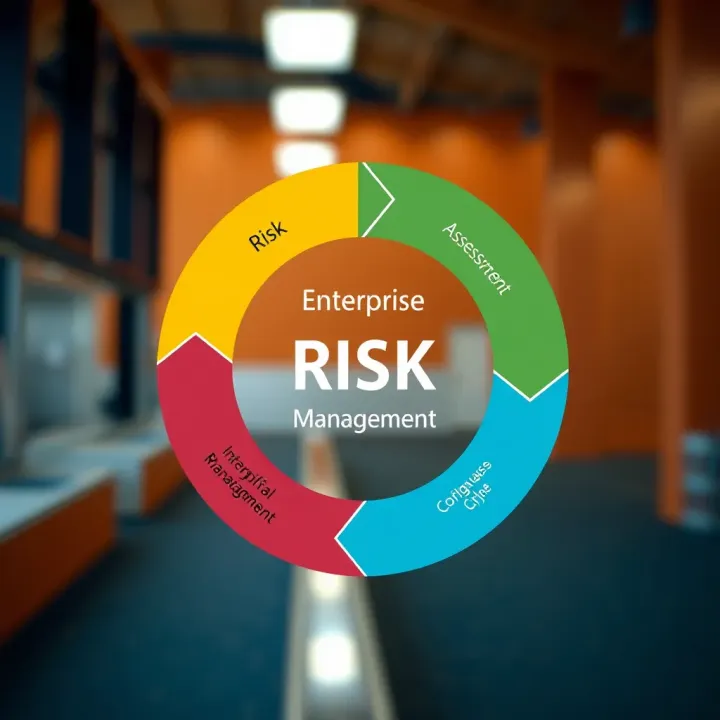
Explore how Enterprise Risk Management (ERM) helps Kenyan businesses identify, assess, and manage risks to safeguard operations and support strategy 📊🔍

Explore practical disaster risk management in Kenya 🌍. Learn about common disasters, prevention, preparedness, and key stakeholder roles to reduce impacts.
Based on 8 reviews